
Aidyn Rakhimbaev: Kazakhstan’s Builder and Visionary Philanthropist

Quick Facts
| Full Name | Aidyn Zhumadiuly Rakhimbaev |
|---|---|
| Date of Birth | September 20, 1972 |
| Place of Birth | Kaznakovka (now Kulynzhon), Samara District, East Kazakhstan Region, Kazakh SSR, Soviet Union |
| Age | 54 |
| Nationality | Kazakhstani |
| Education | Tselinograd Civil Engineering Institute (BS, 1995); L. N. Gumilyov Eurasian National University (LL.M., 2002); International Academy of Business (MBA, 2007); Harvard Business School (OPM) |
| Occupation | Entrepreneur, Philanthropist |
| Known For | Founder and Chairman of BI Group; Co-founder of Ana Uyi Foundation; Co-founder of IQanat Educational Foundation; Signatory to The Giving Pledge |
| Notable Awards | Order of Barys (III degree), Order of Kurmet, Order of Dustlik (Uzbekistan) |
| Spouse | Anar Rakhimbayeva |
| Children | 7 |
Aidyn Rakhimbaev biography: Entrepreneur, Philanthropist. Born on September 20, 1972 in Kaznakovka (now Kulynzhon), Samara District, East Kazakhstan Region, Kazakh SSR, Soviet Union.
Introduction to Aidyn Rakhimbaev
Aidyn Rakhimbaev stands among Central Asia’s most influential entrepreneurs and modern humanitarian leaders. As the founder, controlling shareholder, and chairman of the board of directors of BI Group—Kazakhstan’s preeminent construction and real estate development conglomerate—he helped construct modern urban skylines, critical public infrastructure, and landmark commercial centers across the nation and beyond its borders. Yet, his enduring public legacy extends far beyond physical architecture into the fabric of human welfare, civic responsibility, and systemic social reform.
Rakhimbaev pioneered systemic, measurable venture philanthropy in Kazakhstan. Through nationwide flagship initiatives such as the Ana Uyi (“Mother’s Home”) foundation—established to tackle child abandonment and orphanhood at its root—and the IQanat Educational Foundation, which provides academic lifelines to thousands of underprivileged rural students, Rakhimbaev transformed private wealth into an engine of human dignity. His formal pledge to commit the majority of his personal fortune to charitable causes cemented his reputation as a pioneering visionary determined to expand social mobility across generations.
Early Life and Family
Aidyn Zhumadiuly Rakhimbaev was born on September 20, 1972, in the rural village of Kaznakovka (later renamed Kulynzhon), situated in the Samara district of East Kazakhstan Region, then part of the Kazakh Soviet Socialist Republic. He grew up in an industrious, modest household alongside two brothers and two sisters. His father, Zhumadil Rakhimbaev, worked tirelessly as a machine operator and agricultural builder, while his mother, Kulyara Rakhimbayeva, devoted her life to raising the family.
Life in the steppe village was defined by manual labor, self-reliance, and communal solidarity. Rakhimbaev watched his father construct their family home with his own hands—a powerful formative experience that sparked the boy's lifelong fascination with building. From early childhood, Rakhimbaev learned the realities of physical exertion, tending livestock, assisting on neighboring farms, and doing odd jobs. When the family later relocated to the city to pursue wider educational opportunities for the children, the elder Rakhimbaev sold the handcrafted family home for mere essentials, including two canisters of fuel oil. Decades later, that memory of hardship would remain one of Rakhimbaev's principal inspirations for social giving and rural reinvestment.
Education
Recognizing technical skills as the surest pathway to professional advancement in a rapidly shifting economic landscape, Rakhimbaev moved to Tselinograd (now Astana) in 1990 to enroll at the Tselinograd Civil Engineering Institute. His university years coincided with the collapse of the Soviet Union, exposing him to acute economic shocks, hyperinflation, and structural disruption. Rather than deterring him, the challenging climate accelerated his drive; he combined rigorous coursework with hands-on building experience, graduating in 1995 with a degree in civil engineering.
Throughout his business career, Rakhimbaev maintained a steadfast commitment to lifelong learning. To master commercial law in independent Kazakhstan, he attended the L. N. Gumilyov Eurasian National University, earning a Master of Laws degree in 2002. In 2007, he completed a Master of Business Administration (MBA) at the International Academy of Business. Keen to incorporate global best practices in management, corporate strategy, and governance into his expanding enterprises, Rakhimbaev later attended Harvard Business School, successfully completing the prestigious Owner/President Management (OPM) executive program.
Career and Major Achievements
Rakhimbaev’s ascent from a manual laborer on construction sites to the helm of a multinational enterprise illustrates an entrepreneurial journey rooted in practical grit, disciplined execution, and long-range institutional foresight.
The Rise of BI Group
During his final year at university in 1995, Rakhimbaev partnered with fellow students to establish AzTek, an enterprise that initially engaged in wholesale trading, barter transactions, and materials supply amidst post-Soviet privatization. Reinvesting earnings back into practical equipment and operational capacity, AzTek opened a dedicated construction branch in 1998. By 2001, Rakhimbaev repositioned the firm solely toward residential construction and capital development, renaming it BI Group (Build Investment Group).
Capitalizing on the transfer of Kazakhstan’s capital to Astana, Rakhimbaev positioned BI Group as a dependable, technology-forward developer capable of executing high-complexity construction at rapid scale. Under his guidance, the holding expanded into civil engineering, municipal infrastructure, high-speed rail lines, major highway networks, industrial facilities, and master-planned residential communities. By 2014, BI Group broke into the authoritative Engineering News-Record (ENR) Top 250 Global Contractors list, solidifying its place among the world’s leading construction giants. Rakhimbaev guided the group's international expansion, launching high-profile residential and commercial developments across Uzbekistan, Azerbaijan, the United Arab Emirates, and the United States.
The "Ana Uyi" (Mother’s Home) Initiative
In 2013, troubled by the thousands of infants surrendered to state-run infant orphanages annually across Kazakhstan, Rakhimbaev and his wife Anar founded the Ana Uyi (“Mother’s Home”) Public Fund. Rakhimbaev recognized that the overwhelming majority of abandoned children were surrendered not because they were unloved, but because young mothers faced dire poverty, family ostracism, lack of shelter, and acute psychological distress.
Rather than funding orphanages, Ana Uyi addressed the problem at its origin. The foundation opened warm, confidential crisis centers across every major Kazakhstani city, offering young single mothers shelter, food, prenatal care, vocational training, legal aid, and psychological counseling for up to eighteen months. Through Rakhimbaev’s personal advocacy, dozens of leading Kazakhstani business executives joined the initiative, each financing individual crisis shelters in different regions.
The project evolved into a national movement. In tandem with the crisis shelters, the foundation launched the National Adoption Agency to streamline foster care, train prospective adoptive parents, and reintegrate children into loving households. By the mid-2020s, Ana Uyi had helped prevent child abandonment for over 7,000 infants, placed an additional 3,000 children into loving families, and enabled the closure of dozens of state orphanages across Kazakhstan. The United Nations formally cited Ana Uyi as a flagship model of high-impact philanthropy, inspiring similar pilot initiatives abroad.
The IQanat Educational Foundation
Drawing directly from his upbringing in an isolated village, Rakhimbaev launched the IQanat Educational Foundation in 2017 to eliminate the stark educational divide between urban centers and rural schools. He recognized that children growing up in remote rural communities possessed immense potential but lacked access to quality tutoring, modern laboratories, foreign language immersion, and higher-education career counseling.
IQanat created a multi-tiered academic Olympiad reaching tens of thousands of rural eighth- and ninth-graders annually across all regions of Kazakhstan. The program offers finalists intensive test preparation, university mentorship, and scholarship pipelines. In 2020, the foundation opened the IQanat High School of Burabay, an advanced, eco-friendly boarding school located on Lake Shchuchye. Funded entirely through philanthropy, the academy educates hundreds of rural students using modern pedagogy, state-of-the-art STEM laboratories, and global linguistic immersion. Rakhimbaev mobilized over 150 domestic and regional entrepreneurs to sponsor schools and students across their home districts. The innovative public-private social model of IQanat drew international academic attention, becoming the subject of a case study at Harvard Business School.
BI-Zhuldyzai: Rehabilitation and Healthcare Initiatives
Rakhimbaev embedded corporate civic engagement directly within BI Group’s organizational culture. In 2004, the corporate team established the BI-Zhuldyzai Charitable Foundation, backed largely by voluntary payroll deductions from company employees matched by the holding. Zhuldyzai created specialized medical and early-intervention rehabilitation centers in Astana, Almaty, Shymkent, and Atyrau for children diagnosed with cerebral palsy, developmental delays, and severe musculoskeletal disorders. Providing complex orthopedic therapies, corrective surgeries, and pediatric rehabilitation completely free of charge, the initiative assists several thousand children every year.
Joining The Giving Pledge
In May 2026, Rakhimbaev and his wife Anar made philanthropic history by officially signing The Giving Pledge, the global movement initiated by Bill Gates, Melinda French Gates, and Warren Buffett. In their formal pledge letter, the couple publicly committed to dedicating more than half of their accumulated wealth to charitable projects focused on education, child welfare, healthcare, and rural infrastructure within Kazakhstan. Rakhimbaev wrote:
“Capital is not an end—it is a tool. Its true value is determined by the impact it creates in changing lives and advancing society.”
Awards and Recognition
Rakhimbaev’s contributions to national construction, industrial development, and humanitarian welfare have been recognized through several prestigious state and civil honors:
- Order of Barys (Order of the Leopard), III Degree: Awarded by the President of Kazakhstan for outstanding contributions to national development and civic philanthropy.
- Order of Kurmet (Order of Honor): Conferred by the Republic of Kazakhstan in recognition of exemplary service to the economy and significant contributions to the capital’s architectural landscape.
- Order of Dustlik (Order of Friendship): Conferred in August 2025 by the President of Uzbekistan for leadership in cross-border infrastructure, industrial investment, and social partnerships.
- Commendation of the President of Kazakhstan: Awarded for long-term philanthropic leadership and cultural sponsorship.
- Jubilee State Medals: Recipient of commemorative state medals including “10 Years of the Constitution of Kazakhstan” (2005) and “10 Years of Astana” (2008).
- Forbes Recognition: Consistently ranked among Kazakhstan’s most influential and wealthiest business figures, entering the global Forbes Billionaires rankings.
Challenges and Struggles
Rakhimbaev’s career has been punctuated by severe systemic shocks and complex societal battles. During the 2007–2008 global financial crisis, Kazakhstan's banking sector collapsed, freezing credit markets and abruptly stalling residential real estate. Dozens of domestic construction companies went bankrupt overnight, leaving tens of thousands of citizens with unfinished homes. Confronted with massive liabilities, BI Group restructured its obligations, streamlined operations, and fulfilled all buyer contracts without defaulting—an agonizing period that Rakhimbaev later called his greatest business crucible.
In his philanthropic endeavors, Rakhimbaev confronted deep-seated social taboos and bureaucratic hurdles. When founding Ana Uyi in 2013, the concept of open crisis centers for unwed mothers sparked skepticism and moral conservatism. Rakhimbaev worked patiently to overcome social prejudices, engaging religious leaders, regional governors, and medical professionals to understand that preventing child abandonment protected basic human life. Later, during the rollout of the National Adoption Agency, his team faced bureaucratic resistance within entrenched state orphanage networks, requiring persistent advocacy to prove that family-based upbringing produced far healthier societal outcomes than institutional care.
Macroeconomic volatility presented recurring trials. Steep devaluations of the national currency, soaring supply chain costs, and cyclical downturns in regional construction tested the resilience of his commercial enterprises. In navigating these crises, Rakhimbaev diversified BI Group's geographic footprint across international markets to hedge against domestic contraction, enduring public scrutiny while steering his enterprises into sustainable stability.
Personal Life
Rakhimbaev is married to Anar Rakhimbayeva (née Amanzholova), a trained physician who serves as his principal partner in humanitarian strategy. Anar leads the operational work of the Ana Uyi Public Fund and the National Adoption Agency, actively managing counseling facilities and child placement programs.
Together, the couple raises seven children. In 2020, while visiting an orphanage with the intention of adopting a four-year-old girl, they were informed by staff that she had an older brother and sister. Unwilling to separate the family unit, the Rakhimbaevs adopted all three siblings simultaneously, welcoming them into their home.
Beyond commerce and charity, Rakhimbaev is an accomplished endurance athlete and competitive rally racer. In 2015, driving a MINI All4 Racing with the Astana Motorsports team, he finished 9th overall in the car category at the grueling Dakar Rally—making him the highest-placing Kazakhstani driver in the event’s history. In 2016, he claimed a top-five overall finish at the challenging Silk Way Rally from Moscow to Beijing. Rakhimbaev is also an avid triathlete; he completed multiple full-distance Ironman races and became the first Kazakhstani competitor to cross the finish line and hoist the national flag at the Ironman World Championship in Kailua-Kona, Hawaii, in 2017.
In 2026, Rakhimbaev repurchased the small home in his native village of Kulynzhon that his father had hand-built decades earlier. He financed the comprehensive renovation of the local district school, introduced modern boarding accommodations, built a cutting-edge community sports complex, and underwrote a multi-billion-tenge regional hospital upgrade, demonstrating his abiding personal connection to his rural roots.
Later Life and Legacy
Entering his mid-fifties, Rakhimbaev redirected his focus from day-to-day corporate operations toward long-term philanthropic strategy, educational stewardship, and institutional sustainability. Under his direction, BI Group operates with decentralized executive management, while Rakhimbaev focuses on cross-border growth, digital construction technologies, and global philanthropic partnerships.
Rakhimbaev’s legacy rests upon a revolutionary approach to civic capital in Central Asia. By shifting the culture of philanthropy from sporadic donation to structured, outcome-based social investment, he proved that private enterprise can systematically solve entrenched public dilemmas. Through Ana Uyi, he reshaped child welfare policies across Kazakhstan, dramatically lowering infant abandonment rates and demonstrating the supremacy of family care over institutionalization. Through IQanat, he built an enduring meritocratic bridge for tens of thousands of rural children, ensuring that talent in remote villages receives the nurture and global opportunities it deserves.
Interesting Facts
- Started at Ground Level: Long before founding BI Group, Rakhimbaev worked as a carpenter, plasterer, bricklayer, and site laborer during his student years.
- Dakar Rally Pioneer: He achieved a historic 9th-place finish in the general car classification at the 2015 Dakar Rally, the best result ever recorded by a Kazakhstani driver.
- World Championship Finisher: In 2017, he became the first athlete from Kazakhstan to complete the Ironman World Championship in Kailua-Kona, Hawaii, proudly displaying his country's flag at the finish.
- Adopting Three Siblings: When visiting an orphanage to adopt a young girl, he and his wife chose to adopt her brother and sister as well so the children would not be separated.
- Harvard Case Study: His IQanat educational initiative was analyzed and featured as a dedicated case study at Harvard Business School for its innovative community funding model.
- Restoring His Family Roots: Thirty years after his father sold their family home for two cans of oil, Rakhimbaev repurchased the property and financed an overhaul of the entire village's public infrastructure.
Frequently Asked Questions
What is Aidyn Rakhimbaev best known for?
Aidyn Rakhimbaev is best known as the founder and chairman of BI Group, the largest construction and development firm in Kazakhstan, and as the visionary philanthropist who established the "Ana Uyi" child welfare initiative and the IQanat Educational Foundation.
How did the Ana Uyi ("Mother’s Home") project start?
Rakhimbaev and his wife Anar founded Ana Uyi in 2013 to stop infant abandonment at the source. Rather than funding orphanages, they opened crisis centers nationwide offering young mothers confidential shelter, medical assistance, legal advocacy, and psychological support so they could keep their children.
What makes the IQanat Foundation unique in Kazakhstan?
IQanat focuses exclusively on underprivileged rural schoolchildren. Supported by a network of over 150 entrepreneurs, the program conducts nationwide Olympiads, provides university entrance coaching, and operates the specialized IQanat High School of Burabay boarding school.
What are Aidyn Rakhimbaev’s sporting achievements?
Rakhimbaev has competed at world-class levels in endurance athletics and motorsports. He completed several Ironman triathlons, represented Kazakhstan at the 2017 Ironman World Championship in Hawaii, and finished in the top 10 at the 2015 Dakar Rally and top 5 at the 2016 Silk Way Rally.
Has Aidyn Rakhimbaev committed his fortune to charity?
Yes. In 2026, Aidyn and Anar Rakhimbaev formally signed The Giving Pledge, committing more than 50 percent of their wealth to charitable initiatives advancing education, social welfare, and healthcare in Kazakhstan.
Conclusion
Aidyn Rakhimbaev’s life exemplifies the power of combining commercial innovation with high-impact civic stewardship. From his origins in the rural village of Kaznakovka to the heights of international enterprise, he has maintained that genuine success is measured by the elevation of human lives. By rescuing thousands of infants from orphanhood through Ana Uyi and unlocking the intellectual potential of rural youth through IQanat, Rakhimbaev built a lasting legacy that will continue to shape Kazakhstan’s social fabric and future leaders for decades to come.
Frequently Asked Questions About Aidyn Rakhimbaev
Who is Aidyn Rakhimbaev?
Aidyn Rakhimbaev is entrepreneur, Philanthropist.
When was Aidyn Rakhimbaev born?
Aidyn Rakhimbaev was born on September 20, 1972 in Kaznakovka (now Kulynzhon), Samara District, East Kazakhstan Region, Kazakh SSR, Soviet Union.
Where was Aidyn Rakhimbaev born?
Aidyn Rakhimbaev was born in Kaznakovka (now Kulynzhon), Samara District, East Kazakhstan Region, Kazakh SSR, Soviet Union.
How old was Aidyn Rakhimbaev?
Aidyn Rakhimbaev's age is listed as 54 (born September 20, 1972).
What is Aidyn Rakhimbaev's nationality?
Aidyn Rakhimbaev is a Kazakhstani national.
What awards did Aidyn Rakhimbaev receive?
Aidyn Rakhimbaev's awards and honours include Order of Barys (III degree), Order of Kurmet, Order of Dustlik (Uzbekistan).
More biographies in Philanthropist → · All biographies
Related biographies

Irmã Dulce – Life of the Good Angel of Bahia
Revered as the "Good Angel of Bahia," Irmã Dulce built Brazil's largest charitable healthcare network, transforming a convent…
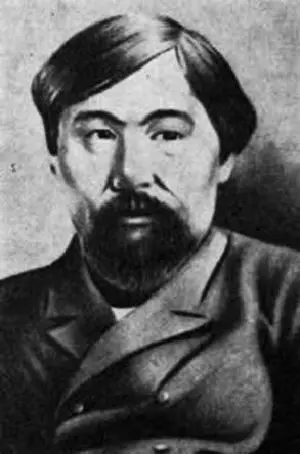
Ybyrai Altynsarin: Pioneer of Modern Kazakh Secular Education
Explore the inspiring life of Ybyrai Altynsarin, the 19th-century educator who established Kazakhstan's first secular and girls'…
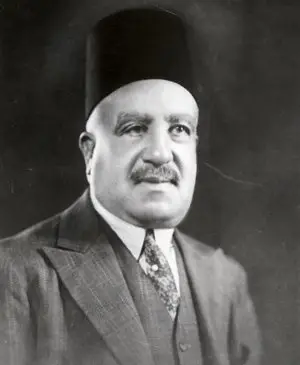
Talaat Harb – Pioneer of Egypt's Modern Economy
Revered as the father of Egypt's modern economy, Talaat Harb broke foreign financial domination by founding Banque Misr and…
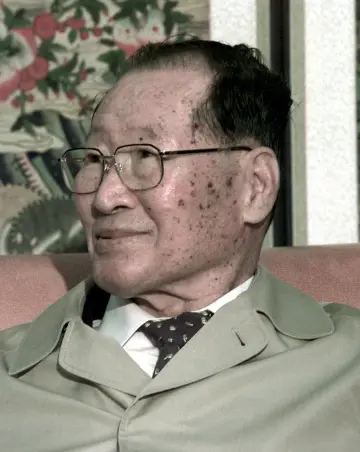
Chung Ju-yung Biography: Founder of Hyundai and Industrial Pioneer
Rising from rural poverty, Chung Ju-yung founded Hyundai, drove South Korea's post-war economic modernization, and orchestrated…
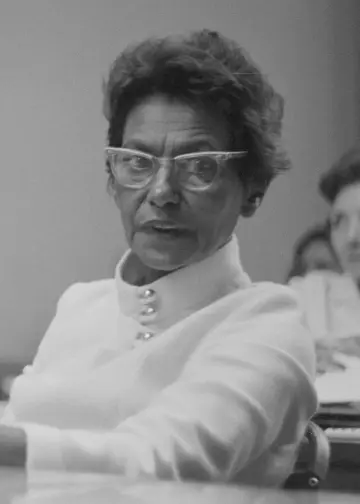
Oodgeroo Noonuccal Biography: Life of a Trailblazing Poet
Oodgeroo Noonuccal was a pioneering Aboriginal Australian poet, political activist, and educator who became the first published…
Kazi Nazrul Islam: Life and Legacy of the Rebel Poet
Kazi Nazrul Islam was a legendary Bengali poet, composer, and freedom fighter who challenged colonial rule and bigotry. Revered…